Como a Stephen Gould escalou sua capacidade em 30% sem fazer uma única contratação

 Casey Ciniello 6min read
 Executive Summary:
A maioria das métricas de desempenho de marketing não tem um problema de dados; tem um problema de ação. Seu time acompanha cliques, conversões e custo por aquisição. Mas acompanhar e responder são duas coisas muito diferentes.
Relatórios são revisados. Painéis são compartilhados. Insights são discutidos. Mas a otimização real de campanhas de marketing, mudar algo de verdade, muitas vezes vem semanas depois, ou nunca. O desafio é o que vem depois.
Frequentemente, métricas de marketing são observadas em vez de serem acionadas. Relatórios são revisados, painéis são compartilhados, e insights são discutidos, mas mudanças significativas em campanhas ou estratégia vêm muito mais tarde.
A diferença entre times de marketing médios e times de alto desempenho não é o acesso aos dados. É a rapidez com que transformam métricas em movimento.
A maioria das organizações de marketing se tornou excelente em medir o desempenho. Times acompanham resultados de campanhas em múltiplos canais e produzem relatórios detalhados que mostram como a atividade de marketing está funcionando ao longo do tempo.
Mas acompanhar métricas apenas não melhora o desempenho.
Considere um cenário comum. Um time de geração de demanda percebe que o custo por lead aumentou nas últimas duas semanas. As taxas de conversão em páginas de destino caíram ligeiramente, e o engajamento em campanhas recentes parece menor do que o esperado.
Os dados mostram claramente que algo mudou.
Ainda assim, a resposta muitas vezes se desenrola lentamente:
No momento em que os ajustes são feitos, semanas podem ter passado. O desempenho de marketing não sofre porque times carecem de métricas. Sofre porque as respostas a mudanças de desempenho são atrasadas.
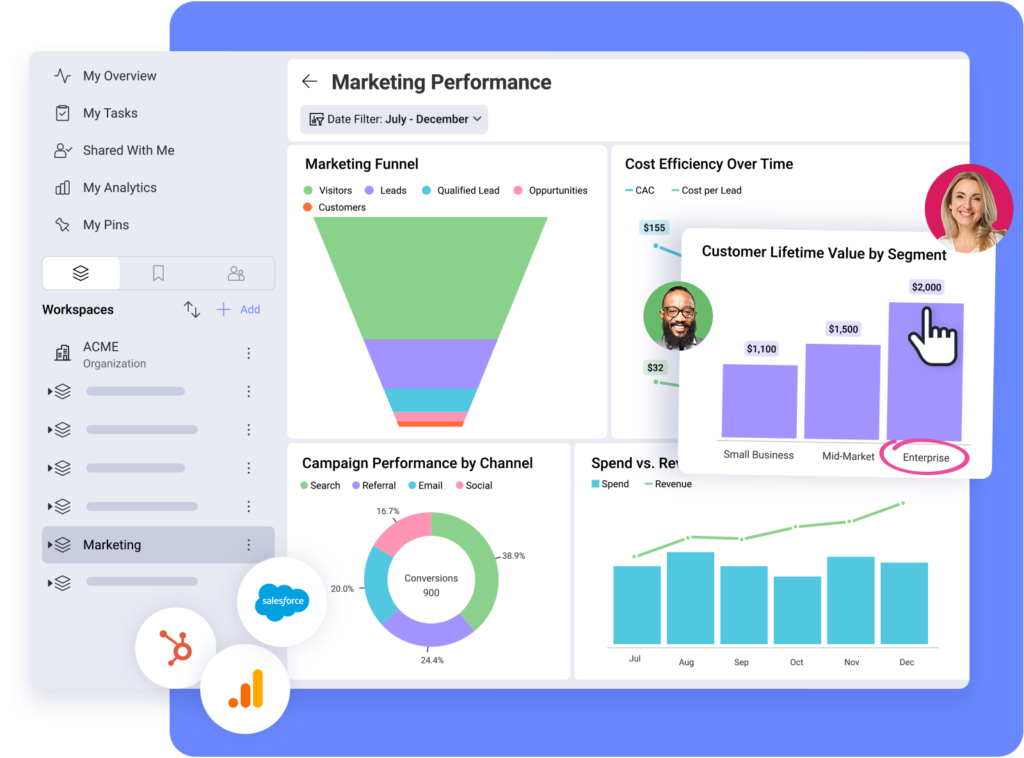
Essas mudanças podem parecer insignificantes isoladamente, mas ao longo do tempo se acumulam. Quando times dependem de ciclos de relatórios periódicos, reuniões semanais, ou painéis mensais, frequentemente detectam mudanças de desempenho mais tarde do que deveriam.
Times de marketing de alto desempenho tratam análise de desempenho de marketing não como relatórios estáticos, mas como sinais que acionam investigação e ação.
Outra razão pela qual times de marketing lutam para responder rapidamente a mudanças de desempenho é a separação entre ferramentas de análise e fluxos de trabalho de marketing. Em muitas organizações, esses sistemas vivem em ambientes completamente diferentes.
Como esses sistemas estão desconectados, times devem traduzir manualmente insights em mudanças operacionais. Por exemplo, um painel pode mostrar desempenho de anúncio em declínio. Mas agir sobre esse insight requer vários passos adicionais:
Cada passo introduz um atraso. E quando as respostas demoram muito, oportunidades de desempenho são perdidas.
Os times de marketing mais eficazes tratam monitoramento de desempenho como um processo ativo em vez de passivo. Em vez de esperar por ciclos de relatórios, eles constroem sistemas que conectam dados, permitindo que detectem, interpretem e respondam a mudanças de desempenho rapidamente.
Plataformas como a solução de marketing analytics da Slingshot são construídas especificamente para isto: conectar sua camada de dados à sua camada de trabalho para que nada se perca entre insight e ação.
Três características definem consistentemente esses times.
Visibilidade Contínua de Desempenho
Times de alto desempenho mantêm visibilidade constante em métricas-chave de marketing.
Em vez de revisar o desempenho apenas durante reuniões de relatórios agendadas, eles monitoram indicadores como:
Quando essas métricas mudam, times conseguem detectar a mudança imediatamente, permitindo que investiguem antes que isso impacte significativamente os resultados.
Contexto Sobre Atividade de Marketing
Detectar uma mudança de desempenho é útil apenas se times conseguem entender rapidamente o que pode ter causado isso.
Times de alto desempenho analisam métricas ao lado das atividades de marketing acontecendo ao mesmo tempo.
Eles examinam fatores como:
Este contexto permite que identifiquem rapidamente as prováveis causas por trás de mudanças de desempenho.
Resposta Operacional Imediata
O passo final, e o que separa times de alto desempenho do resto, é a ação.
Quando sinais de desempenho aparecem, times eficazes de marketing se movem rapidamente.
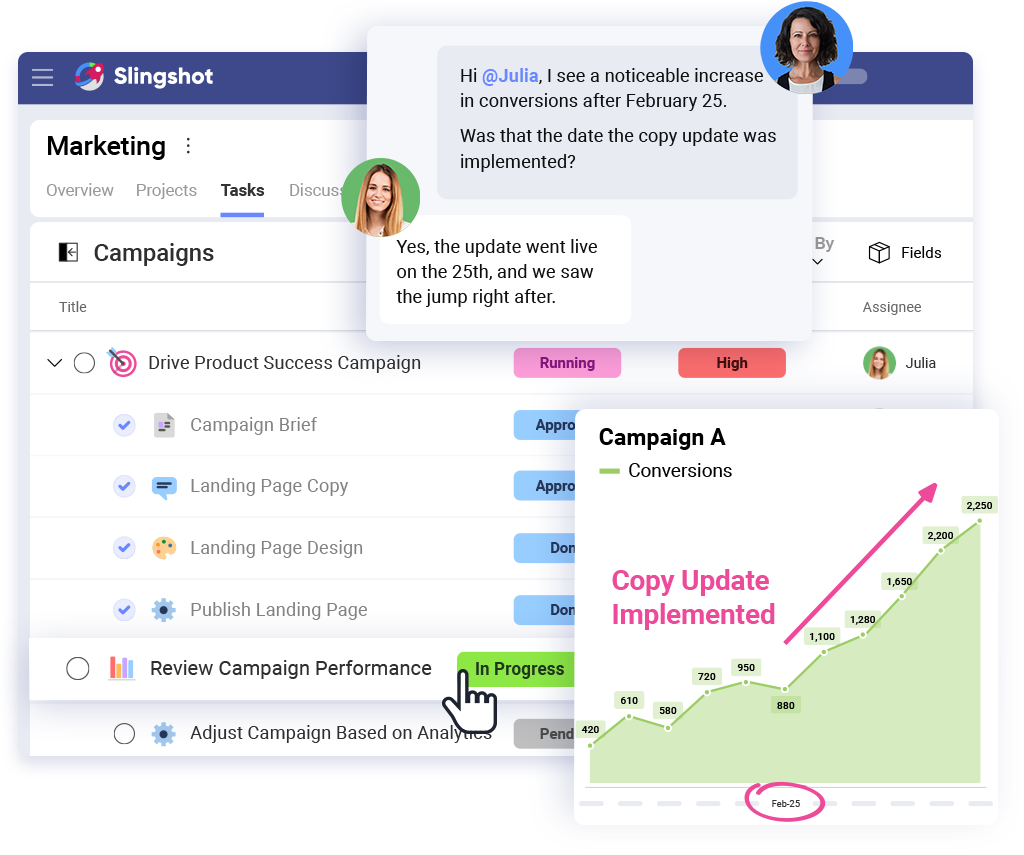
Eles podem:
Esses ajustes acontecem rapidamente porque os insights que os acionam estão diretamente conectados a fluxos de trabalho de marketing.
Para consistentemente transformar métricas em movimento, times de marketing precisam de um sistema de resposta estruturado com três elementos principais.
As organizações de marketing mais eficazes operam em um ciclo contínuo de melhoria. Dados de desempenho revelam oportunidades. Times respondem com ajustes. Novos dados de desempenho mostram o impacto dessas mudanças. O ciclo se repete continuamente.
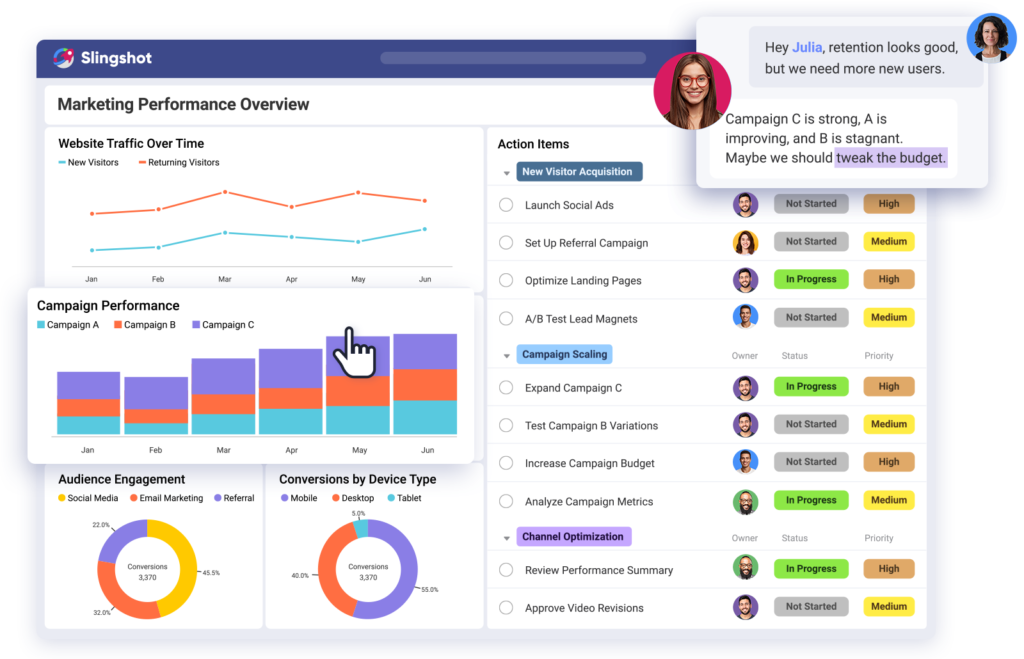
Em vez de esperar por revisões de relatórios trimestrais, esses times otimizam campanhas semanalmente — às vezes diariamente.
Fazer consistentemente pequenas melhorias leva a um desempenho de marketing significativamente mais forte ao longo do tempo.
Hoje, times de marketing têm acesso a mais dados do que nunca. Mas a presença de métricas sozinhas não melhora resultados. O que realmente importa é a rapidez com que times respondem quando o desempenho muda.
Quando organizações de marketing criam sistemas que conectam insights com ação, métricas deixam de ser relatórios passivos. Tornam-se os sinais que guiam crescimento contínuo.
Se seu time acompanha métricas de marketing mas luta para responder rapidamente a mudanças de desempenho, o problema pode não ser suas ferramentas de análise.
Pode ser a lacuna entre insights e execução.
Ao conectar dados de marketing com os fluxos de trabalho que impulsionam campanhas, times conseguem passar de simplesmente monitorar desempenho para ativamente melhorá-lo.
Explore como Slingshot ajuda times de marketing a monitorar desempenho, coordenar campanhas, e responder mais rapidamente a mudanças de desempenho.


 Return to Blog

 ChatGPT
 Perplexity