


 Return to Blog

コンテンツチームがSEO戦略実行に失敗する理由
コンテンツチームがSEO戦略に失敗するのは、SEO戦略がないからではありません。
一貫した実行ができないからです。
計画は作られます。キーワードは定義されます。コンテンツカレンダーは構築されます。
しかし公開が遅くなり、優先順位が変わり、実行は崩壊します。
この記事では、SEO実行がどこで失敗するのか、なぜコンテンツワークフローが苦しむのか、そして高パフォーマンスチームがいかに戦略を一貫した成果物に変えるのかをご説明します。
 Casey Ciniello 8min read
  ChatGPT
 Perplexity
Executive Summary:
コンテンツチームがSEO戦略に失敗するのは、SEO戦略がないからではありません。
一貫した実行ができないからです。
計画は作られます。キーワードは定義されます。コンテンツカレンダーは構築されます。
しかし公開が遅くなり、優先順位が変わり、実行は崩壊します。
この記事では、SEO実行がどこで失敗するのか、なぜコンテンツワークフローが苦しむのか、そして高パフォーマンスチームがいかに戦略を一貫した成果物に変えるのかをご説明します。
SEO戦略は問題ではありません
ほとんどのコンテンツチームはすでにSEO戦略を持っています。
- 調査は完了しています。
- ターゲットキーワードが定義されています。
- コンテンツがマッピングされています。
計画は存在します。結果は存在しません。そしてそれが矛盾です。
- トラフィックが停滞します。
- コンテンツが一貫して公開されません。
- SEOパフォーマンスが期待に及びません。
SEOが失敗するのは戦略レベルではありません。実行です。戦略の問題があるのではなく、実行の問題があるのです。
なぜSEO実行が崩壊するのか
SEO成功は一貫性に依存しています。
- 定期的に公開すること。
- コンテンツを更新すること。
- パフォーマンスに基づいて最適化すること。
しかしほとんどのチームはそのペースを維持するのに苦労しています。それは彼らが何をすべきか知らないからではなく、実行が人々、ツール、および優先順位全体の調整に依存しているからです。
SEOは単一のアクションではありません。繰り返し時間通りに行われる必要があるアクションのシステムです。そしてそこで物事は壊れます。
- 複数の人々の間で作業が移動します
- 優先順位が注目の対象を競います
- 一貫性を強制するシステムはありません
構造化された実行システムがなければ、強い戦略でも遅くなり、停滞し、あるいは完全に停止します。
コンテンツチームが苦労するところ
SEO実行は1つの明らかな場所では失敗しません。
ワークフロー全体で個別には小さく見えるが時間とともに複合する方法で分解されます。
コンテンツバックログが出力より速く増加します
ほとんどのチームはアイデアの不足がありません。あまりに多くのアイデアがあります。キーワード調査は完了しています。機会は特定されています。コンテンツプランは構築されています。
しかし実行は対応できません。コンテンツはバックログに置かれます。作業開始前に優先順位が変わります。機会は関連性を失います。
時間が経つにつれ、バックログは失われた機会に変わります。かつてタイムリーだったものは廃止されます。
SEO作業は他のすべてと競合します
コンテンツチームはSEOのみにフォーカスされることはめったにありません。
彼らはバランスを取っています:
- キャンペーン
- 製品ローンチ
- アドホックリクエスト
- 内部のニーズ
SEO作業は次の理由で優先順位が下がります:
- 長期的
- 緊急性が低い
- 即座に測定するのが難しい
すべてが緊急に見えるとき、SEOは遅延するものです。システムがなければ、SEO実行は最初に滑るものです。
所有権がしばしば不明です
コンテンツプランは存在する可能性がありますが、所有権はしばしば存在しません。
誰が以下の責任がありますか:
- ピースを書くこと?
- それをレビューすること?
- それを公開すること?
- 後で更新すること?
明確な所有権がなければ:
- 作業はステージ間で停滞します
- フォローアップが見逃されます
- タイムラインが滑ります
実行は遅くなります。仕事を前に進める責任がある単一の人物がいないからです。
ワークフローはツール間で断片化されます
コンテンツ実行は通常、複数のシステムにまたがります:
- スプレッドシートでの計画
- ドキュメントでの作成
- プロジェクトツールでのタスク
- CMSでの公開
- 分析でのトラッキング
各ステップは手動による調整が必要です。
チームはツールの切り替え、コンテキストの再作成、および更新の追跡に時間を費やしており、仕事を前に進めるのではなく時間を費やしています。すべてのハンドオフが遅延をもたらします。すべての遅延がモメンタムを弱めます。
パフォーマンスは実行に接続されていません
コンテンツは公開されますが、その後どうなりますか?
パフォーマンスデータは分析ツールに存在します。
実行はどこか別の場所に存在します。
この切断により、以下が困難になります:
- 更新の優先順位付け
- 既存のコンテンツの改善
- 結果から学ぶ
SEOワークフローソフトウェアシステムを使用しているチームは、実行をパフォーマンスに直接接続できます。
SEO実行ギャップ
これは主な問題です:
SEO戦略→遅延→実行→矛盾した結果
戦略と実行の間の遅延が長いほど、結果は弱くなります。SEOは時間に敏感です。機会は減衰します。競合他社が動きます。ランキングがシフトします。実行速度は詳細ではありません。パフォーマンスに直接影響します。
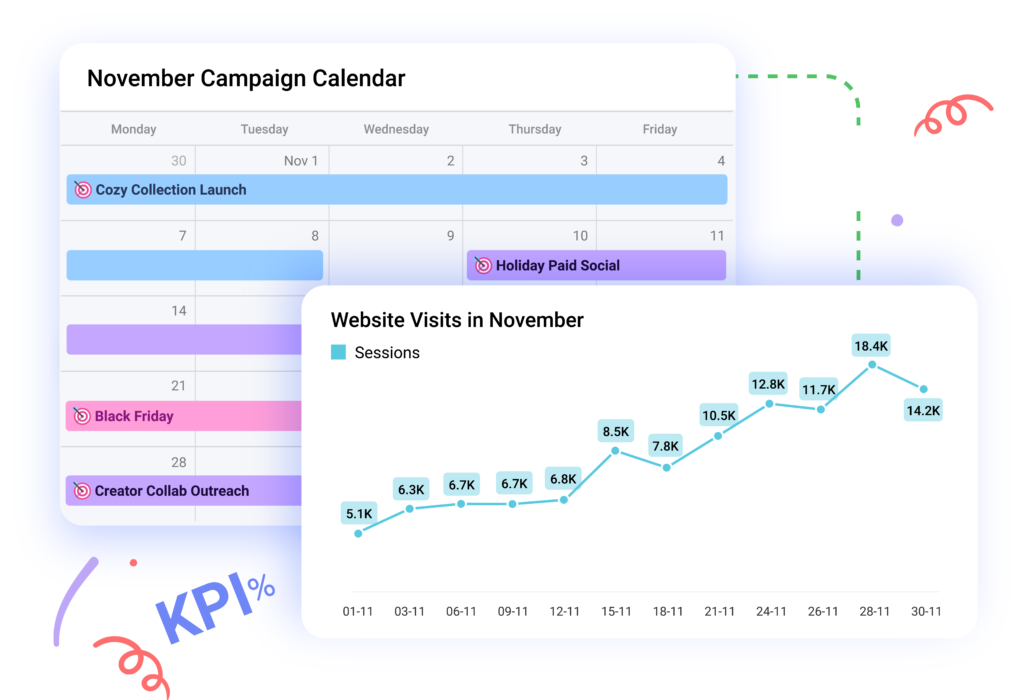
これはキャンペーンインサイトからキャンペーンアクションへで概説されたのと同じギャップです
実行が遅いとき:
- コンテンツはピーク関連性を逃します
- ランキングの構築に時間がかかります
- 複合成長が崩壊します
ギャップは単なる遅延ではありません。失われた影響です。
SEO実行が悪いコスト
SEO実行が崩壊すると、影響は即座ではありません。
時間とともに構築され、診断が困難です。
トラフィック機会を逃した
SEOは一貫性に報酬を与えます。
定期的に公開することで増加します:
- インデックス化
- キーワードカバレッジ
- ランキング機会
実行が遅くなると、より少ないページが公開され、ランク付けする機会が減ります。
逃した各コンテンツピースは需要をキャプチャする逃した機会です。
ランク付けの成長が遅い
SEOパフォーマンスは複合します。
コンテンツはそれ自体の上に構築されますが、複合化は一貫した実行でのみ機能します。
公開が矛盾しているとき:
- ランキングはプラトーに達します
- 成長が遅くなります
- 競合他社が地面を得ます
強い戦略でも持続した出力なしで失敗します。
利用されていないコンテンツアセット
ほとんどのチームは新しいコンテンツの作成に焦点を当てています。
しかし既存のコンテンツは多くの場合、最大の機会を保有しています。
実行システムなしで:
- コンテンツは更新されません
- インサイトは適用されません
- パフォーマンスは時間とともに低下します
改善できるコンテンツは改善されません。公開したものは最適化される代わりに利用されていません。
SEO投資に対する減少したROI
SEOは時間、リソース、および計画が必要です。
しかし実行なしで:
- 出力は矛盾しています
- 結果が遅延しています
- ROIが低下しています
実行なしの投資はパフォーマンス不足につながります。
チーム間の不整合
SEOは複数の機能にわたります:
- コンテンツ
- マーケティング
- 成長
調整なしで:
- 優先順位が競合します
- タイムラインが滑ります
- コミュニケーションが崩壊します
実行は断片化し、結果が苦しみます。
SEO実行を修正する方法
SEO実行を改善することは、さらに実行することではありません。それは一貫した配信をサポートするシステムを構築することです。
1. 明確なコンテンツワークフローを定義します
コンテンツの各部分は構造化パスに従う必要があります:
- アイデア
- 簡潔
- ドラフト
- レビュー
- 公開
- 最適化
定義されたステージなしで、作業は停滞し、ステップはスキップされ、品質は矛盾しています。
2. すべてのステージで所有権を割り当てます
各ステップは明確な所有者が必要です。
チームではなく。個人です。
所有権は以下を定義する必要があります:
- 誰が責任があるか
- 何をする必要があるのか
- いつまでに期限があるか
明確な所有権は曖昧さを排除し、仕事を前に進めます。
3. 計画だけでなく実行を追跡します
ほとんどのチームは計画を追跡しています。
少数は実行を追跡しています。
あなたは以下への可視性が必要です:
- 進行中のもの
- ブロックされているもの
- 完了したもの
SEO管理テンプレートを使用しているチームは、計画と並行して実行を追跡できます。
4. コンテンツをパフォーマンスデータに接続します
公開は終わりではなく、最適化の開始です。
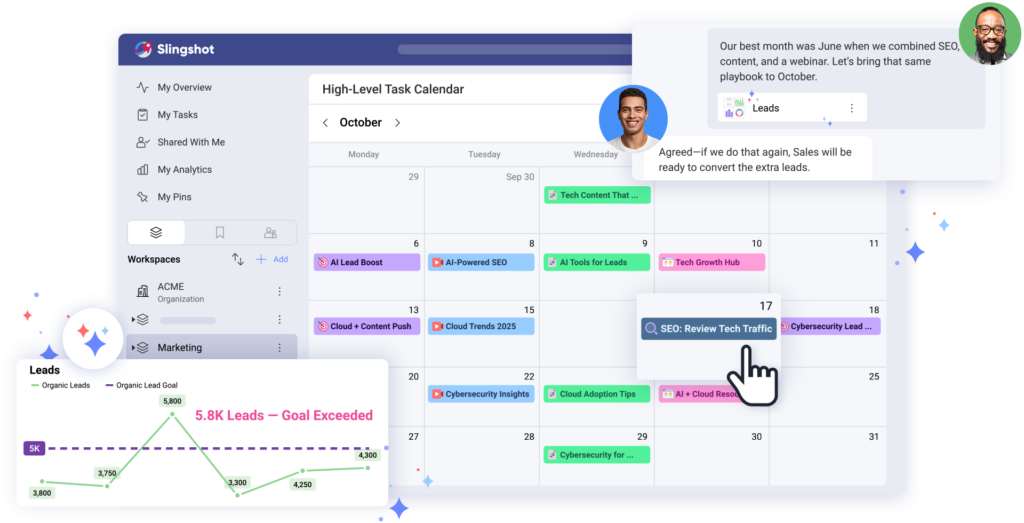
チームは以下を必要とします:
- パフォーマンスの監視
- 機会の特定
- コンテンツの更新
これはほとんどのワークフローが崩壊する場所です。
コンテンツをパフォーマンスに接続することは、仕事と結果の間のループを閉じます。
5. 一貫した公開ケイデンスを維持します
SEOは突発より一貫性に報酬を与えます。
短期間の高出力その後の減速の代わりに、チームは安定した予測可能な公開が必要です。
コンテンツカレンダーテンプレートはそのケイデンスの維持に役立ちます。
6. 調整オーバーヘッドを削減します
実行は以下に依存するとき遅くなります:
- 手動によるフォローアップ
- 複数の接続されていないツール
- 絶え間ないコンテキスト切り替え
調整オーバーヘッドを削減することは以下を意味します:
- より少ないハンドオフ
- クリアなワークフロー
- より高速な実行
7. 単なる計画ではなく実行システムを構築します
これは最も重要なシフトです。コンテンツの計画から一貫した実行までです。
戦略は方向を定義します。システムは結果を駆動します。
SEO実行ギャップを閉じる方法
SEO成功はより良いアイデアから来ていません。
それはこれらのアイデアが実際に一貫して、目に見えて、パフォーマンスに結び付けられることを確保するシステムから来ています。
それはほとんどのチームが壊れる場所です。
それはSlinghotが修正するために設計されたものです。
構造化システムでコンテンツを計画します
SEO実行ギャップを閉じることには、計画、実行、およびパフォーマンスを単一のシステムに統合する必要があります。
Slingshotを使用して、チームは以下を実行できます:
完全なワークフロー全体で実行を追跡します
SEO実行における最大の問題の1つは、進行状況への可視性の欠如です。コンテンツが詰まっており、誰も知りません。
Slingshotを使用して、以下を実行できます:
- すべてのステージ(簡潔→ドラフト→レビュー→公開→最適化)にわたってコンテンツを追跡します
- 進行中、ブロック、または遅延しているものを正確に確認します
- チーム全体で実行の明確で共有されたビューを維持します
これは推測を削除し、仕事を前に進めます。
明確な所有権と説明責任を割り当てます
所有権が不明なとき、SEO実行は遅くなります。
Slingshotは以下を確保します:
- すべてのコンテンツピースに定義された所有者がいます
- すべてのステージに責任があります
- 次のステップは常に表示されます
ステップの間に仕事が座る代わりに、それは説明責任を持って前に進みます。
コンテンツ実行をパフォーマンスデータに接続します
ほとんどのチームはコンテンツとパフォーマンスを別々のシステムで追跡しています。そこで実行は崩壊します。
Slingshotを使用して:
- ダッシュボードはコンテンツパフォーマンスメトリクスを表示します
- チームはこれらのインサイトから直接タスクとディスカッションを作成できます
- 最適化作業は実際のデータに直接結び付けられています
これはコンテンツが公開されるだけでなく、パフォーマンスに基づいて継続的に改善されることを意味します。
概要で作業、データ、戦略を一緒に持ち込みます
SEO実行にはタスクの追跡以上が必要です。すべてを一緒に見る必要があります。
Slingshot概要は以下を組み合わせています:
- 実行中の作業
- 測定されるKPI
- 戦略の進行状況
だから、チームは以下を理解できます:
- 何が起こっているか
- 何が機能しているのか
- 何を変える必要があるか
すべて一箇所に。
戦略から実行へ
ほとんどのコンテンツチームは戦略がないために失敗しません。一貫して実行できないため、失敗します。戦略は一般的です。実行はまれです。
違いはより良いアイデアではありません。それはより良いシステムです。SEOがパフォーマンスを発揮するようにしたい場合は、計画より実行に少なく焦点を当ててください。SEOギャップを閉じることはより多くの作業をすることではありません。それは接続することです:
SEO戦略を実行に変えます
一貫したコンテンツ配信用に構築されたシステムを使用します。