


 Return to Blog
마케팅이 필요로 하는 것: 더 많은 대시보드가 아닌 하나의 신뢰할 수 있는 성과 뷰
대부분의 마케팅 팀이 필요로 하는 것은 더 많은 대시보드가 아닙니다. 마케팅 성과 대시보드 데이터를 통합하고, 업무를 성과와 연결하며, 경영진에게 의사결정을 위한 단일한 신뢰할 수 있는 정보 소스를 제공하는 하나의 신뢰할 수 있는 성과 뷰가 필요합니다.
 Casey Ciniello 6분 읽기
  ChatGPT
 Perplexity
Executive Summary:
대부분의 마케팅 팀이 필요로 하는 것은 더 많은 대시보드가 아닙니다. 마케팅 성과 대시보드 데이터를 통합하고, 업무를 성과와 연결하며, 경영진에게 의사결정을 위한 단일한 신뢰할 수 있는 정보 소스를 제공하는 하나의 신뢰할 수 있는 성과 뷰가 필요합니다.
마케팅 팀은 과거 어느 때보다도 많은 데이터를 보유하고 있습니다.
- Google Ads 대시보드
- 소셜 미디어 분석
- CRM 보고서
- 이메일 성과 대시보드
- 웹사이트 분석
- 수익 귀인 모델
모든 플랫폼은 가시성을 약속합니다. 모든 도구는 통찰력을 제공한다고 주장합니다.
하지만 대부분의 마케팅 팀이 경험하는 현실은 정반대입니다.
명확성 대신, 팀들은 항상 같은 이야기를 들려주지 않는 수십 개의 연결되지 않은 대시보드를 다루고 있습니다.
문제는 대시보드가 부족한 것이 아닙니다.
문제는 너무 많은 대시보드와 하나의 신뢰할 수 있는 성과 뷰의 부재입니다. 여러분의 질문에 답하고 통찰력을 토대로 조치하기 위한 단일 마케팅 성과 대시보드가 필요합니다.
현대 마케팅에서의 대시보드 과다 문제
지난 10년 동안 마케팅 기술이 폭발적으로 성장했습니다.
평균적인 마케팅 팀은 현재 캠페인을 실행하고, 콘텐츠를 관리하며, 성과를 분석하고 결과를 보고하기 위해 10개에서 20개의 서로 다른 도구를 사용합니다.
각 플랫폼은 자체 보고 환경을 제공합니다:
- Google Ads
- LinkedIn 캠페인 관리자
- Meta 광고 관리자
- HubSpot 또는 Salesforce
- Google Analytics
- 이메일 플랫폼
- SEO 도구
- 마케팅 자동화 플랫폼
개별적으로, 이러한 대시보드는 유용합니다.
집단적으로, 이들은 새로운 문제를 만듭니다: 분산된 성과 가시성
간단한 질문에 빠르게 답하는 대신, 팀들은 시스템 전반에 걸쳐 데이터를 조정하는 데 수 시간을 낭비합니다.
다음과 같은 질문들:
- 우리의 캠페인이 실제로 파이프라인을 이끌고 있는가?
- 어느 채널이 가장 높은 ROI를 생성하는가?
- 이번 달에 예산을 어디로 이동해야 하는가?
- 어떤 캠페인이 저조하게 수행되고 있는가?
답변은 종종 여러 대시보드에서 숫자를 가져와 수동으로 조합하는 것이 필요합니다.
더 많은 대시보드가 문제를 해결하지 않는 이유
팀들이 분산된 데이터에 직면할 때, 일반적인 반응은 다음과 같습니다:
"다른 대시보드를 만들어 봅시다."
마케팅 분석가가 5개의 플랫폼에서 데이터를 내보내고, BI 도구에서 사용자 정의 보고서를 작성하며, 내부적으로 공유합니다.
일시적으로, 진전이 있는 것처럼 느껴집니다.
하지만 순환은 반복됩니다.
곧, 조직은 다음과 같이 끝나게 됩니다:
- 임원 대시보드
- 채널 대시보드
- 캠페인 대시보드
- 제품 마케팅 대시보드
- 영업 귀인 대시보드
각각 다른 시간에 구축되며, 다양한 데이터 가정을 사용합니다.
결과는 어떻게 될까요?
아무도 숫자를 완전히 신뢰하지 않습니다.
팀들이 데이터를 신뢰하지 않으면, 의사결정 속도가 느려집니다. 회의는 어떤 대시보드가 올바른지에 대한 논쟁으로 변하며, 어떤 조치를 취해야 하는지에 대한 논의 대신이 됩니다.
실제 목표: 하나의 신뢰할 수 있는 성과 뷰
마케팅 팀이 실제로 필요로 하는 것은 더 많은 대시보드가 아닙니다.
마케팅 활동, 캠페인 실행 및 성과 결과를 한 곳에 연결하는 하나의 신뢰할 수 있는 성과 뷰가 필요합니다.
이는 다음을 통합하는 것을 의미합니다:
- 캠페인 성과 데이터
- 채널 성과 지표
- 웹사이트 및 참여 데이터
- 파이프라인 및 수익 귀인
- 마케팅 실행 워크플로우
이러한 요소들이 연결되면, 마케팅 리더는 또 다른 차트보다 훨씬 더 가치 있는 것을 얻습니다.
그들은 진정한 성과 가시성을 얻습니다.
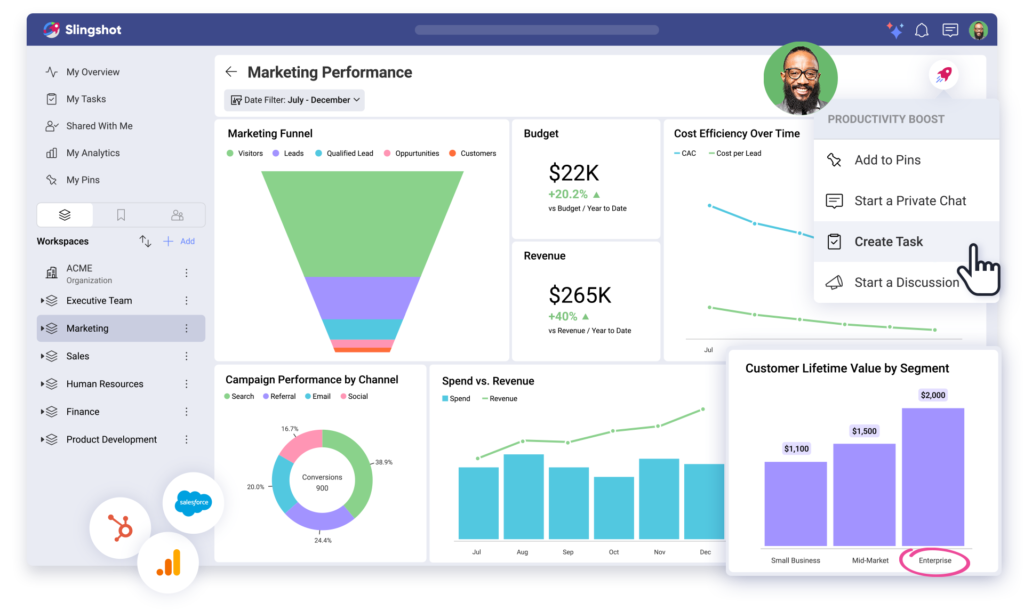
하나의 신뢰할 수 있는 뷰를 사용하면, 팀들은 다음과 같은 질문에 빠르게 답할 수 있습니다:
- 어떤 캠페인이 파이프라인을 이끌고 있는가?
- 예산이 낭비되고 있는 곳은 어디인가?
- 어떤 콘텐츠가 실제로 거래에 영향을 미치는가?
- 마케팅 활동이 수익 결과와 어떻게 연결되는가?
대시보드를 뒤지는 대신, 답변이 즉시 표시됩니다.
마케팅 팀이 이 뷰를 구축하기 위해 노력하는 이유
통합 성과 뷰를 만드는 것은 이론적으로는 간단하게 들립니다.
실제로는 마케팅 데이터가 함께 작동하도록 설계되지 않은 여러 시스템에 걸쳐 있기 때문에 어렵습니다.
일반적인 과제는 다음과 같습니다:
연결되지 않은 데이터 소스
마케팅 성과 데이터는 일반적으로 다음을 포함한 여러 도구에 걸쳐 있습니다:
- 광고 플랫폼
- CRM 시스템
- 분석 도구
- 콘텐츠 플랫폼
- 자동화 플랫폼
각 시스템은 다양한 지표, 귀인 모델 및 보고 구조를 사용합니다.
통합 없이, 팀들은 스프레드시트를 함께 꿰매는 것으로 남겨집니다.
실행 컨텍스트 없는 보고
전통적인 대시보드는 성과 지표를 보여주지만 마케팅 팀이 실제로 하고 있는 것에 대한 컨텍스트가 부족합니다.
예를 들어:
대시보드는 전환율 하락을 보여줄 수 있습니다.
하지만 다음을 보여주지 않습니다:
- 지난주에 어떤 캠페인이 시작되었는가
- 어떤 랜딩 페이지가 업데이트되었는가
- 어떤 실험이 실행 중이었는가
- 어떤 캠페인이 일시 중지되었는가
업무와 성과를 연결하지 않으면, 대시보드는 불완전한 이야기를 전합니다.
실행 가능한 통찰력 대신 정적 보고
많은 대시보드는 일일 의사결정보다는 보고 회의를 위해 구축됩니다.
지난달에 무엇이 일어났는지는 보여주지만, 팀들이 답하도록 도와주지 않습니다:
- 오늘 우리가 무엇을 변경해야 하는가?
- 지출을 어디에 증가시켜야 하는가?
- 어떤 캠페인이 즉각적인 주의가 필요한가?
성과 통찰력이 조치와 연결되지 않으면, 이들은 빠르게 배경 소음이 됩니다.
신뢰할 수 있는 마케팅 성과 뷰의 모습
진정으로 유용한 마케팅 성과 뷰는 세 가지를 수행해야 합니다:
1. 모든 주요 마케팅 데이터를 하나의 마케팅 성과 대시보드로 통합
여러 도구에 로그인하는 대신, 마케팅 팀은 다음을 볼 수 있어야 합니다:
- 유료 미디어 성과
- 웹사이트 분석
- 캠페인 결과
- 파이프라인 영향
- 콘텐츠 성과
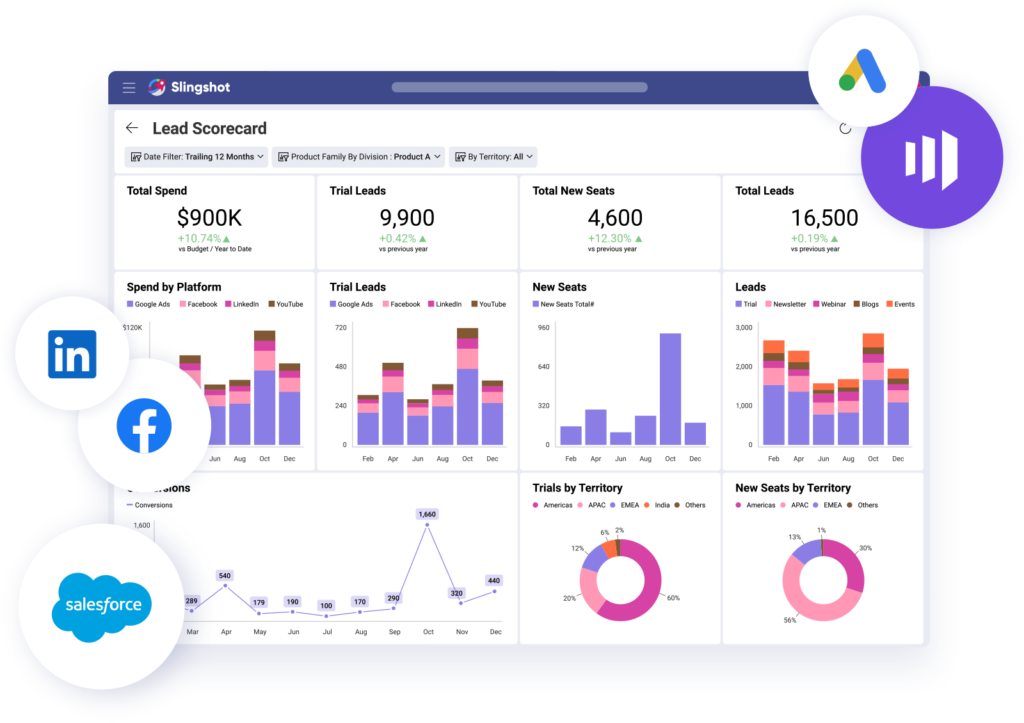
모두 하나의 워크스페이스 내에서.
이는 수동 보고 필요성을 제거하고 상충하는 지표의 위험을 줄입니다.
2. 성과를 마케팅 실행과 연결
가장 강력한 마케팅 통찰력은 팀이 하고 있는 것을 보고 있는 결과와 연결할 때 나옵니다.
예를 들어:
- 캠페인 시작 타임라인이 성과 급증과 연결됨
- 콘텐츠 생산이 참여 성장과 연결됨
- 예산 조정이 전환 변화와 연결됨
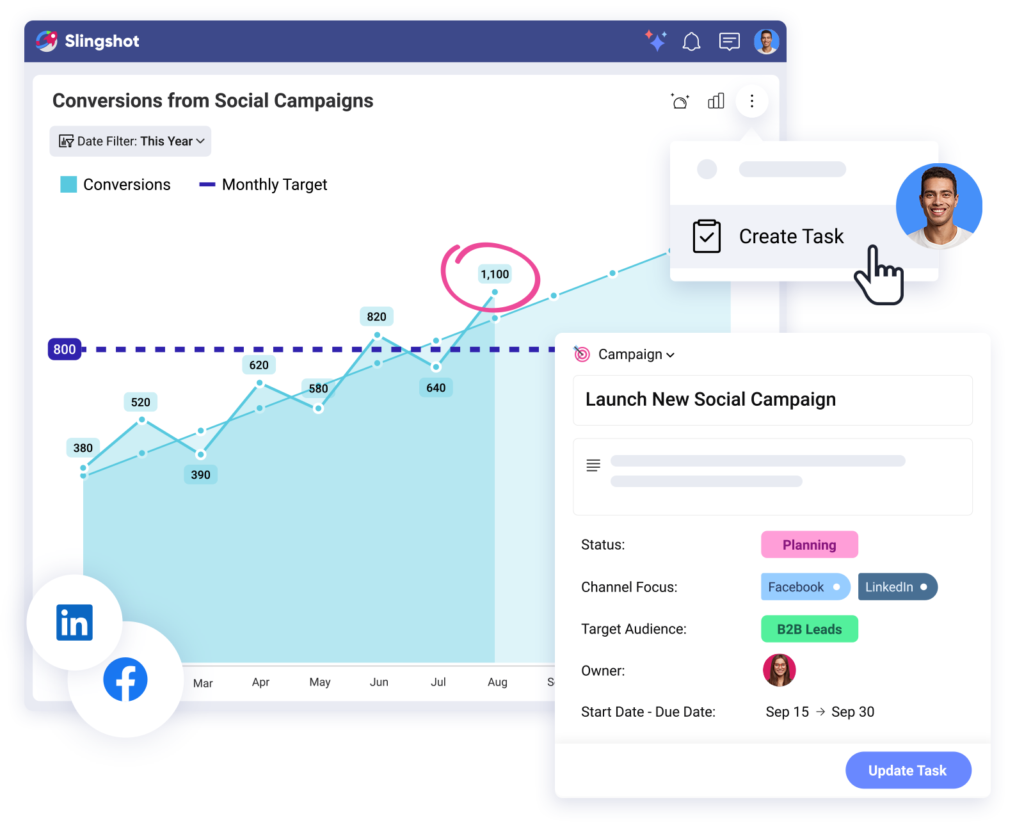
업무와 결과 간의 이 연결은 더 빠른 실험과 최적화를 가능하게 합니다.
3. 신뢰할 수 있는 정보 소스 제공
신뢰할 수 있는 성과 뷰는 다음의 장소여야 합니다:
- 마케팅 팀이 결과를 분석합니다
- 경영진이 성과를 검토합니다
- 영업과 마케팅이 파이프라인 영향을 정렬합니다
- 예산 및 전략에 대한 결정이 내려집니다
모든 사람이 동일한 데이터 기반에서 작업하면, 논의는 "어떤 숫자가 맞습니까?"에서 "다음에 무엇을 해야 합니까?"로 이동합니다. 이것이 현대 마케팅 보고 소프트웨어가 제공하는 것입니다. 자신감 있는 결정을 이끄는 단일 마케팅 성과 보고 소스입니다.
마케팅 가시성의 경쟁 우위
신뢰할 수 있는 성과 뷰를 구축하는 마케팅 팀은 상당한 이점을 얻습니다.
그들은 더 빠르게 움직입니다.
그들은 캠페인을 더 일찍 최적화합니다.
그들은 예산이 낭비되기 전에 저조한 성과의 채널을 식별합니다.
가장 중요하게, 그들은 마케팅이 비즈니스 결과에 미치는 영향을 증명할 수 있습니다.
허영 지표를 보고하는 대신, 마케팅 활동이 수익 성장에 어떻게 기여하는지 명확하게 보여줄 수 있습니다.
마케팅 예산이 지속적으로 정밀 조사를 받는 시대에, 그 가시성은 매우 귀중합니다.
성과 통찰력을 조치로 전환하기
마케팅 성과의 미래는 더 많은 보고 도구를 추가하는 것이 아닙니다.
마케팅 업무, 데이터 및 결정이 함께 살아있는 연결된 환경을 만드는 것입니다.
팀들이 신뢰할 수 있는 성과 뷰를 가질 때:
- 보고가 자동이 됩니다
- 통찰력이 더 빠르게 나타납니다
- 의사결정이 데이터 기반이 됩니다
- 마케팅 영향이 명확해집니다
그리고 대시보드는 마침내 의도된 목적을 수행합니다: 팀들이 자신감을 가지고 앞으로 나아가도록 도와줍니다.
자신의 마케팅 성과 워크스페이스 만들기
팀이 여전히 여러 대시보드와 스프레드시트를 사용하고 있다면, 마케팅 성과 관리 방식을 다시 생각할 시간일 수 있습니다.
중앙 집중식 마케팅 성과 워크스페이스는 팀들이 다음을 할 수 있도록 합니다:
- 마케팅 캠페인 관리 템플릿을 사용하여 캠페인 데이터를 함께 가져옵니다
- 마케팅 실행을 결과와 연결
- 마케팅 분석 템플릿 또는 유료 미디어 성과 템플릿으로 성과를 실시간 모니터링
- 더 빠른 최적화 결정 내리기
모든 Slingshot 마케팅 템플릿을 찾아보고, 팀들이 마케팅 성과의 통합 뷰를 만드는 방법을 확인하십시오.