

How Stephen Gould Scaled Its Capacity by 30% without Making a Single Hire

Campaigns Don’t Fail on Strategy. They Fail on Execution. Most marketing campaigns look solid on paper. The strategy is set, channels are selected, content is mapped out, and KPIs are clear. Then execution begins, and things slow down. Deadlines slip. Optimization stalls. Results fall short. And nobody can point to exactly where it went wrong. […]
 Casey Ciniello
5min read
Casey Ciniello
5min read
Executive Summary:
Campaigns Don’t Fail on Strategy. They Fail on Execution.
Most marketing campaigns look solid on paper. The strategy is set, channels are selected, content is mapped out, and KPIs are clear.
Then execution begins, and things slow down.
Deadlines slip. Optimization stalls. Results fall short. And nobody can point to exactly where it went wrong.
The real issue isn’t visibility or planning. It’s coordination, and the cost that comes when it breaks down between people, tools, and workflows.
Modern marketing teams have no shortage of tools.
Campaign plans live in project management platforms. Performance data lives in dashboards. Communication happens in Slack or Teams. From a distance, everything looks structured and under control.
But structure is not the same as coordination.
Beneath that structure, things are actually fragmented. Each tool only shows part of the picture, and no one really manages execution. Your team can see what’s going on, but it’s hard to act quickly. This gap between seeing and doing is where campaign management challenges happen and coordination often fails, and workflow issues start.
Campaign execution rarely fails all at once. It breaks down in small, compounding ways.
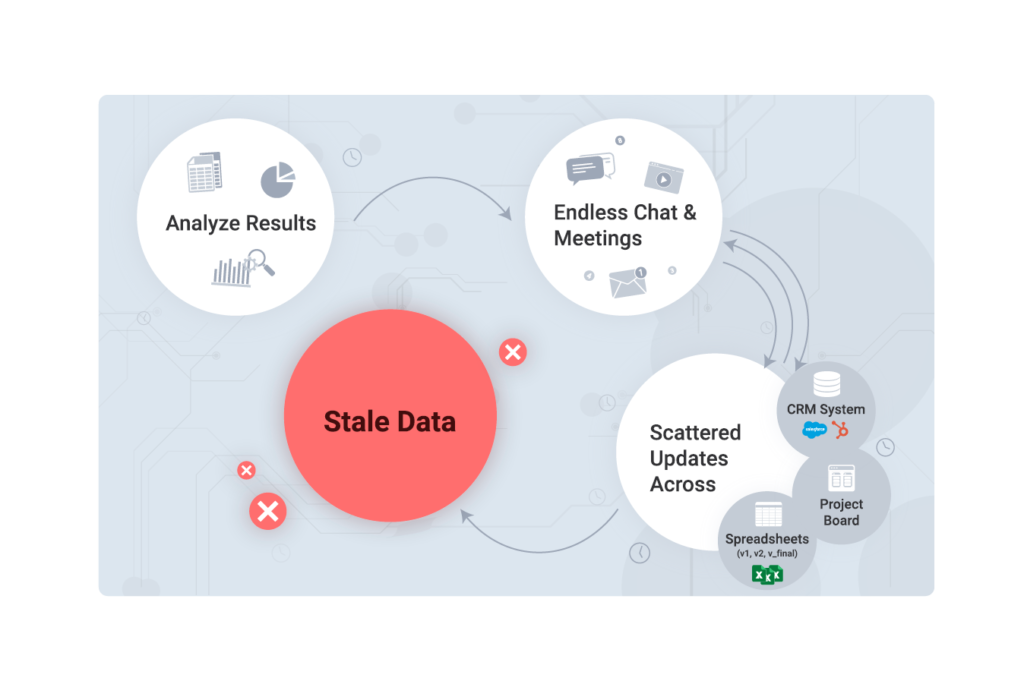
Work Is Spread Across Systems
Campaign plans, tasks, performance data, and conversations all live in different tools. Your team spends more time navigating between systems than executing work. A strategist might check performance in one tab, leave feedback in a chat, and hope someone turns that into a task elsewhere. Every handoff relies on someone following up manually, and that’s where important context often gets lost.
Ownership Is Unclear
Tasks are assigned, but accountability doesn’t always follow. When performance changes, it can take longer to figure out who should fix it than to actually solve the problem. These small gaps in ownership keep coming up and add up with every campaign cycle.
Performance Signals Don’t Trigger Action
Your dashboards show what’s happening, but seeing data and acting on it are two different things. If MQL-to-SQL conversion drops or CPA goes above target, it might get discussed in a chat, but it’s rarely fixed the same day. The insight stays in one tool, the work happens in another, and nothing connects them automatically.
Communication Is Disconnected from Work
Teams discuss campaigns in chat, execute tasks in project tools, and measure results in dashboards. These are three separate systems with no shared thread. Decisions made in Slack often don’t make it back to the task list with the urgency or context needed.
Optimization Cycles Are Too Slow
By the time a performance issue is noticed, discussed, assigned, and addressed, the chance to recover results has often passed. This is a common problem for teams and not a lack of data, but a delay between seeing data and responding to it.
These breakdowns don’t just create operational friction; they impact performance and ultimately hit revenue directly.
Slower Campaign Execution
Teams end up spending more time coordinating than actually producing work. The real bottleneck becomes execution speed, not ideas or budget.
Delayed Optimization
Budget keeps going to underperforming channels while teams discuss what to do. By the time changes are made, there’s less time to recover.
Wasted Budget
Performance usually drops after a campaign’s peak learning phase, which leads to wasted spending.
Pipeline Impact
When campaign adjustments are slow, MQL shortfalls show up in the pipeline and bookings 30 to 60 days later.
On their own, these issues might seem manageable. But together, they create a system where execution speed is the main bottleneck.
Most teams don’t struggle because they lack skill or effort. The real challenge is that their systems aren’t built for coordinated execution.
Here is how the standard tool stack breaks down:
But no system connects all three. This means teams have to bridge the gap themselves, so coordination relies on people being diligent instead of systems making it automatic.
Most teams use campaign management processes designed for visibility, not speed. But visibility without the ability to act quickly is just a nicer version of the same problem.
That gap is where coordination falls apart.
High-performing teams don’t leave coordination to chance. They create systems that make it happen.
The difference shows up in 4 ways:
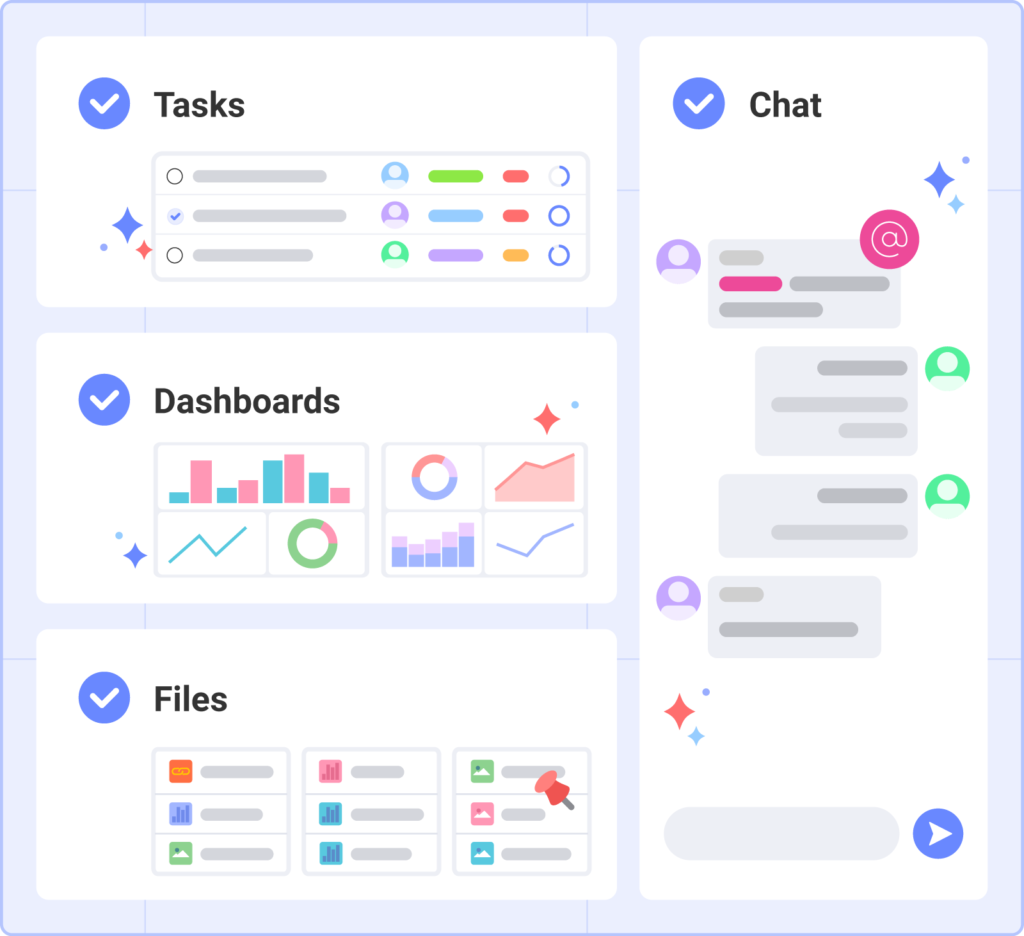
When pipeline drops or campaigns underperform, these teams assign actions, track execution, and monitor impact without having to rebuild their coordination process every time. That consistency is what sets faster teams apart.
The connection is direct:
Better coordination. Faster execution. Stronger performance.
This isn’t just a minor operational improvement. It’s measurable. Teams that close the gap between insight and action optimize faster, waste less budget, and build pipeline more consistently.
They improve outcomes.
Fixing campaign coordination isn’t about adding more tools. It’s about having better-connected systems. Systems that:
This is the move toward execution-driven marketing, where your analytics don’t just report performance. They help drive it.
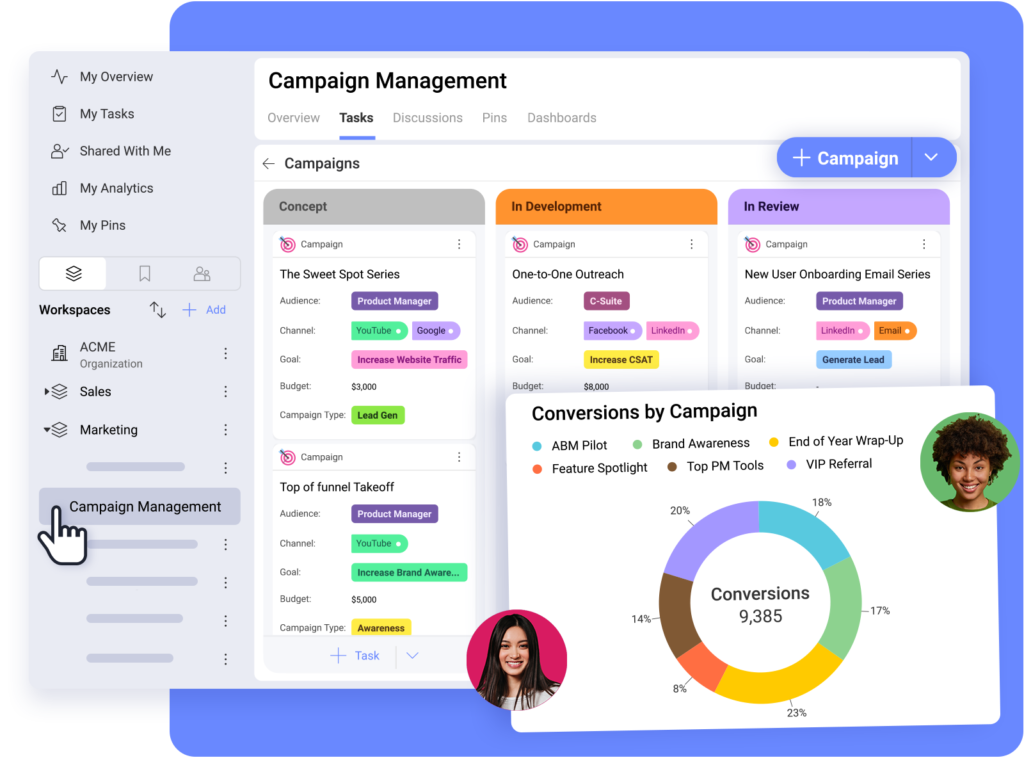
Platforms like Slingshot are designed for this approach. They bring work, data, and collaboration together in one place so your teams can act on performance in real time.
Campaign success isn’t held back by visibility. It’s held back by how quickly teams can coordinate a response when performance changes.
The teams that win aren’t always the ones with the best plans. They’re the ones who close the gap between signal and action the fastest.
SHARE THIS POST


 Return to Blog
 ChatGPT
 Perplexity