
How Stephen Gould Scaled Its Capacity by 30% without Making a Single Hire

Most SEO strategies fail after planning. Learn why content teams struggle to execute and how to build a workflow that consistently turns keywords into published, optimized content.

The Gap Most Marketing Stacks Were Built Around Most marketing teams run two stacks in parallel. A data stack of Google Analytics, CRM, ad platforms, email tools, attribution software, and maybe a warehouse with Looker or Tableau on top. And a work stack, Asana, Monday, Jira, project docs, Slack, and a weekly meeting. The two […]
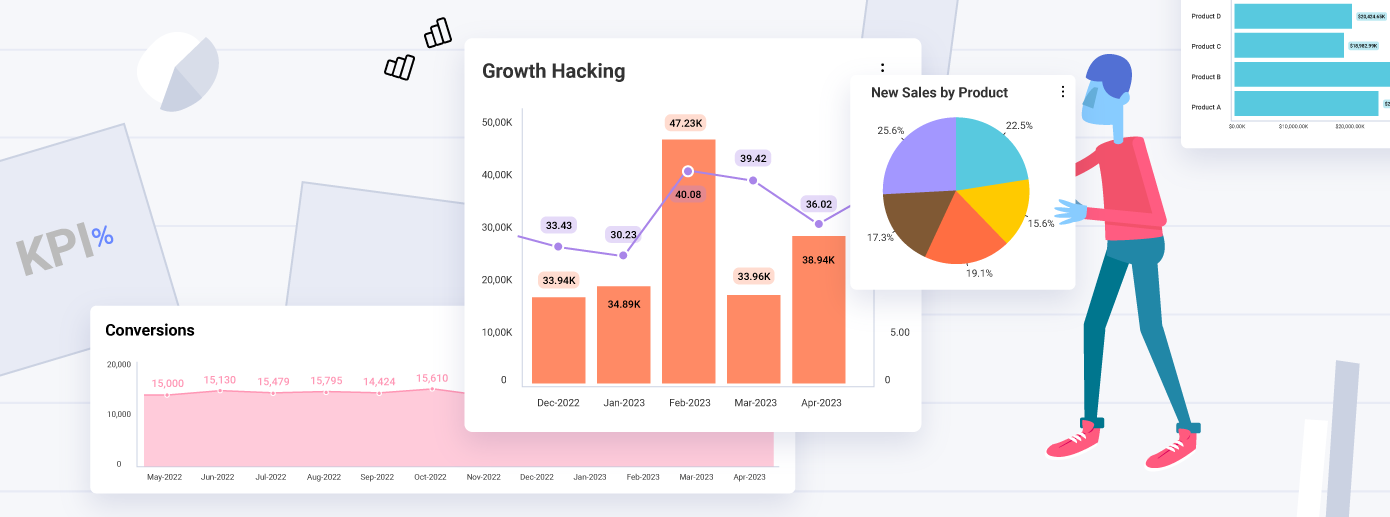
Most SaaS marketing teams struggle with execution. Learn how to build an operating model that connects strategy, workflows, and performance.
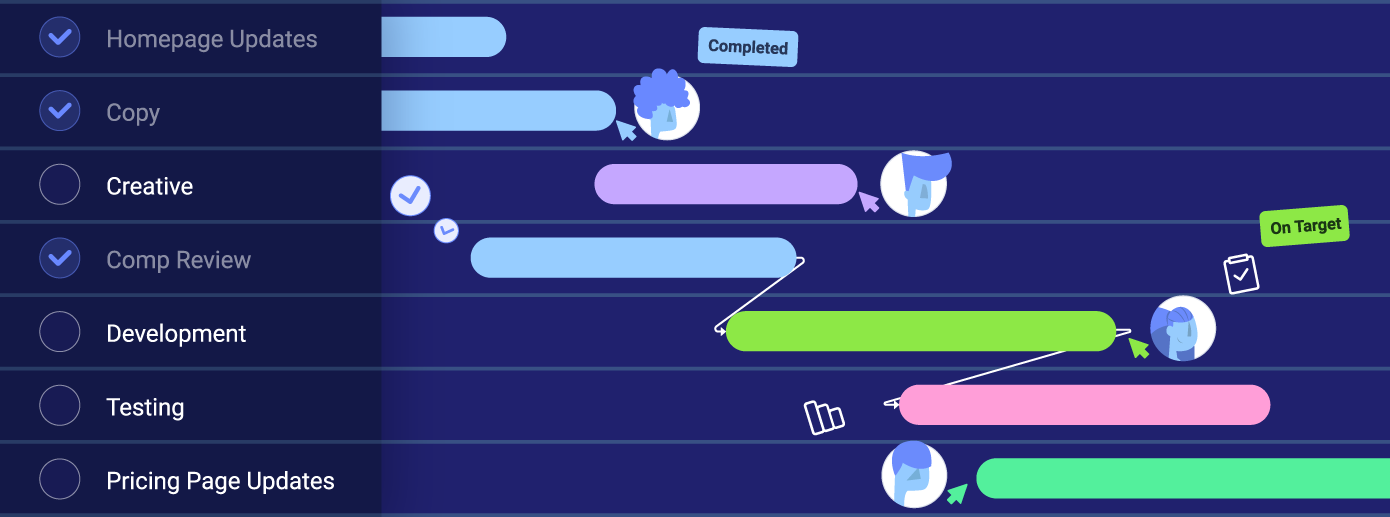
Most keyword strategies look solid on paper—but never turn into results. The problem isn’t research. It’s execution. Here’s how to close the gap.

Dashboards aren’t enough. Learn how to build a marketing reporting system that connects insights to execution.

Most content teams have an SEO strategy — but struggle to execute it. The problem isn’t planning. It’s inconsistent workflows and lack of ownership.

Dashboards don’t improve performance — they only show it. The real difference comes from how teams coordinate action.

If your pipeline reports never match, the issue isn’t your CRM. It’s the gap between pipeline data and execution.

Campaign insights don’t drive results on their own. The difference is how quickly teams act on them.

Marketing teams don’t lack data — they lack action. Here’s how high-performing teams turn metrics into movement.