
How Stephen Gould Scaled Its Capacity by 30% without Making a Single Hire

Build, Run, and Track Your Content & SEO Workflow in One Place
Plan, execute, and optimize content and SEO workflows in one connected workspace. Align editorial planning, keyword research, task coordination, and performance tracking without switching tools.

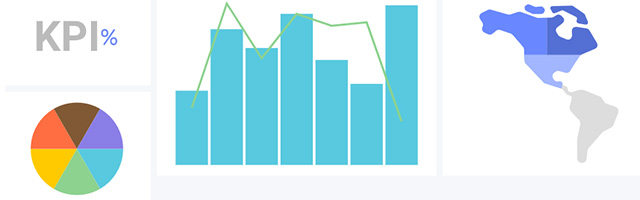
Connect directly your data sources into a single SEO & content strategy:


SEO Tools
What we’re
Targeting

GA4
What’s
Performing


CRM Tools
What’s
Converting


Paid Search
What’s Resonating
Enough to Invest In
Content and SEO aren’t separate functions. They’re one growth program. But most teams still run them apart.
The result: Slow decisions. Drifting priorities. Content that should perform, doesn’t.

The result: Strategy, execution, and results in one place.

Most teams spend 10+ hours each week piecing data and updates together because they lack unified SEO workflow software.
This isn’t a workflow. It’s reactionary reporting stitched together after the fact.
One system. No guesswork. No friction.

Map your entire quarter to keyword priorities before a single word is written.
 Editorial calendars connected directly to SEO strategy
Keyword targets built into every content brief
Planning aligned across content leads, SEO managers, and stakeholders
Editorial calendars connected directly to SEO strategy
Keyword targets built into every content brief
Planning aligned across content leads, SEO managers, and stakeholders
Know what you’re publishing — and why — before execution begins.

 Leadership gets answers. Teams get direction. Decisions happen faster.
Map your entire quarter to keyword priorities before a single word is written.
Editorial calendars connected directly to SEO strategy
Keyword targets built into every content brief
Planning aligned across content leads, SEO managers, and stakeholders
Know what you’re publishing — and why — before execution begins.

Connect performance signals directly to the work your team created.
Organic sessions by page, tracked where work happens
Keyword rankings tied to specific URLs and content pieces
Reports that update automatically — no manual pulls
Leadership gets answers. Teams get direction. Decisions happen faster.

Track every piece from draft to publish to optimization without chasing updates.
Clear ownership for writers, editors, and SEO specialists
Real-time status across your entire content pipeline
Repeatable workflows that match how your team actually works
Everyone knows what’s launching next — and what’s stuck.


Your full editorial pipeline, finally in one place. Manage 40+ posts across multiple writers. Filter by publish date, keyword, or funnel stage. See what’s launching this month and what’s holding up next quarter.

Get your keywords out of spreadsheets for good. Track 200+ keywords with priorities, search intent, and target URLs. Assign optimization work. See progress without switching tabs or wrestling with CSVs.

Put your GA4 data where you work. Track monthly sessions by page. Spot your top 10 performers. Catch trends before your next review. No extra logins, no hassle.

Monitor how your content shows up in AI search results. Track citations in ChatGPT, Perplexity, and Google AI Overviews. See which content gets referenced by AI engines. Know where you’re visible beyond traditional clicks.
Managing 60 blog posts per quarter across four writers and two SEO specialists. Leadership kept asking, “What’s working?” but they had no quick answer.
Mapped every post to target keywords in one view. Reviews organic performance every Monday in 10 minutes. Their CMO finally understands what drives their demos.

Managing 60 blog posts per quarter across four writers and two SEO specialists. Leadership kept asking, “What’s working?” but they had no quick answer.
Mapped every post to target keywords in one view. Reviews organic performance every Monday in 10 minutes. Their CMO finally understands what drives their demos.

Running six client calendars in separate tools, spending 15 hours a week on status emails and manual updates for freelancers.
One workspace for all clients. Assigns keyword research and optimization tasks to freelancers in real time. Shows clients live dashboards instead of weekly status emails. Got 15 hours back.

Content and SEO lived in different systems. No clear connection between what they published and what drove signups or. how they showed up in AI search results.
Quarterly planning connects content themes to their top 100 keywords. Tracks which posts generate demo requests and get cited AI answers. Leadership gets a live dashboard instead of monthly slide decks.

You’re stuck being the middleman, stitching strategy, execution, and reporting together by hand.

It organizes tasks, but it doesn’t connect them to keyword strategy, rankings, or content performance.
It identifies keyword opportunities, but it doesn’t manage writers, deadlines, or post-publish optimization.
It shows traffic and rankings, but it’s disconnected from your editorial calendar and SEO execution. It can’t tell you what to optimize next or how your content appears in AI search.

They’re not. They’re one growth program running across search, rankings, and AI visibility. Slingshot lets you build, run, and track that program in one connected workspace.
SEO execution only works when it’s tied to measurable performance. A strong SEO workflow should connect keyword strategy, content production, and optimization tasks directly to performance data.
Slingshot links your content and SEO workflows to live dashboards so you can measure traffic, pipeline influence, and revenue impact without rebuilding reports. Learn more about how this connects to a unified marketing analytics platform.
SEO performance depends on execution.
Unify your content and SEO workflows in one system built for coordination, accountability, and measurable impact.